What Is a Loyalty Program? (And Why Cash Beats Points)
Learn what a loyalty program is, explore the main types, and discover why cash rewards can be simpler and more effective for local businesses.

Julia
A punch card with three stamps left, for a coffee shop that closed last spring, is probably still sitting in someone's wallet right now. That's what most loyalty programs turn into eventually: a small debt nobody collects on. What is a loyalty program, in the end, is just the mechanism for making sure that doesn't happen. Points, punch cards, tiers, or straight cash: the format decides whether people actually bother finishing what they started.
What Is a Customer Loyalty Program?
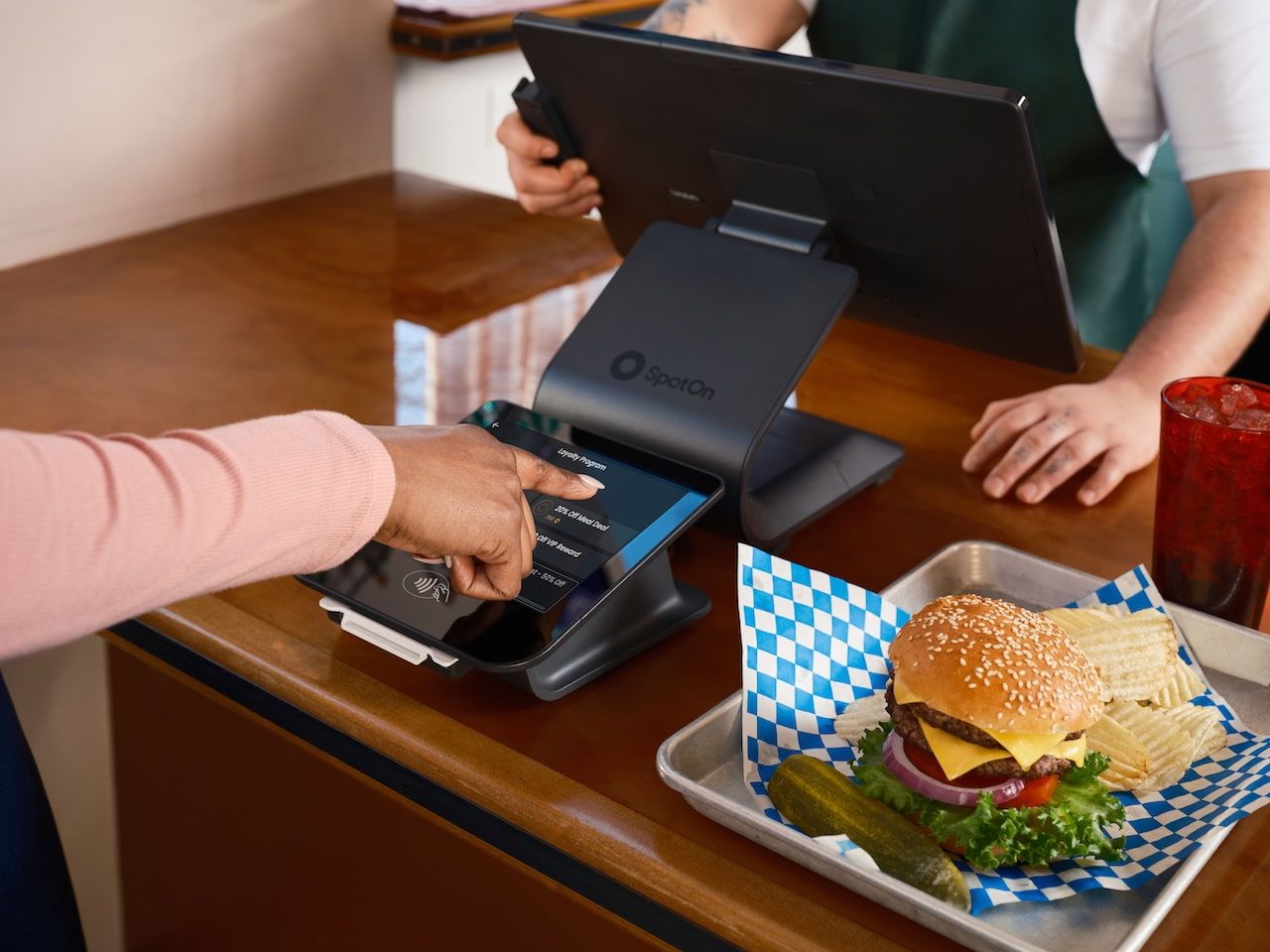
Strip away the branding, and the real answer to what is a loyalty program is a promise a business has to keep, nothing more complicated than that. Take a coffee shop offering five dollars back after every hundred spent. It has to track that running total against a phone number or a card, which is the easy part. The reward itself needs to be worth wanting: five real dollars beats a coupon buried in seven exclusions. What actually kills most programs is the last step, claiming the reward. If it takes a code to dig up or a form nobody remembers, the tracking and the reward were both wasted effort. The program that survives is the one where showing up is the only thing required.
That's the trap worth naming early: a program can look complete on paper, tracked, funded, promoted, and still fail because redemption asks too much. The businesses that get repeat visits out of a loyalty program are rarely the ones with the most generous reward. They're the ones where getting it feels like nothing at all.
The Main Types of Loyalty Programs
Walk into four different local businesses and the loyalty mechanics look nothing alike. A nail salon might still run a paper punch card, ten stamps for a free manicure, the same system it's used for a decade. Down the street, a coffee shop's app quietly adds points to an account with every order, redeemable once you cross 150.
A boutique's system works backward from spending: cross a dollar threshold and better perks unlock automatically. And plenty of businesses now skip the mechanics entirely and just hand back a percentage in cash. How do loyalty programs work once you strip away the branding? It comes down to what each one costs the business to maintain, and how much the customer has to remember to get anything out of it.

Points-Based Programs: The Most Common — But Are They the Best?
Points are the default because everyone already understands the shape of the deal: spend money, earn points, cash them in eventually. That familiarity is most of what points have going for them.
Everything else about running a points program costs the business more than it gets back, and the cost is invisible until someone has to explain it at the register with a line forming behind the customer. The earn rate has to be set. What a hundred points is actually worth has to be decided and built into a catalog. And someone needs a policy for what happens when points just sit there for a year, unused. Nector, a loyalty platform built specifically around this comparison, found that points do build deeper engagement, but mostly for customers who already visit often enough for the accumulation to feel worth tracking. For a shop where most customers haven't decided yet whether they're regulars, that same complexity is exactly what makes points sit there unredeemed.
Punch Cards: Simple, But Limited
A punch card solves the complexity problem points create: buy nine coffees, the tenth is free, no app, no math, nothing to explain. Where it breaks down is scope. It only works for repeat purchases of the exact same thing, so a salon can punch a card for haircuts but has nothing to offer for the retail products sold at the same front counter. And the card itself is the only record that exists anywhere; lose it, and the business has no way to know what a customer had already earned. A single, high-frequency service can run on a punch card indefinitely. Anything with more than one product line runs out of room fast.
Cash Rewards: Why Customers (and Businesses) Prefer Real Money
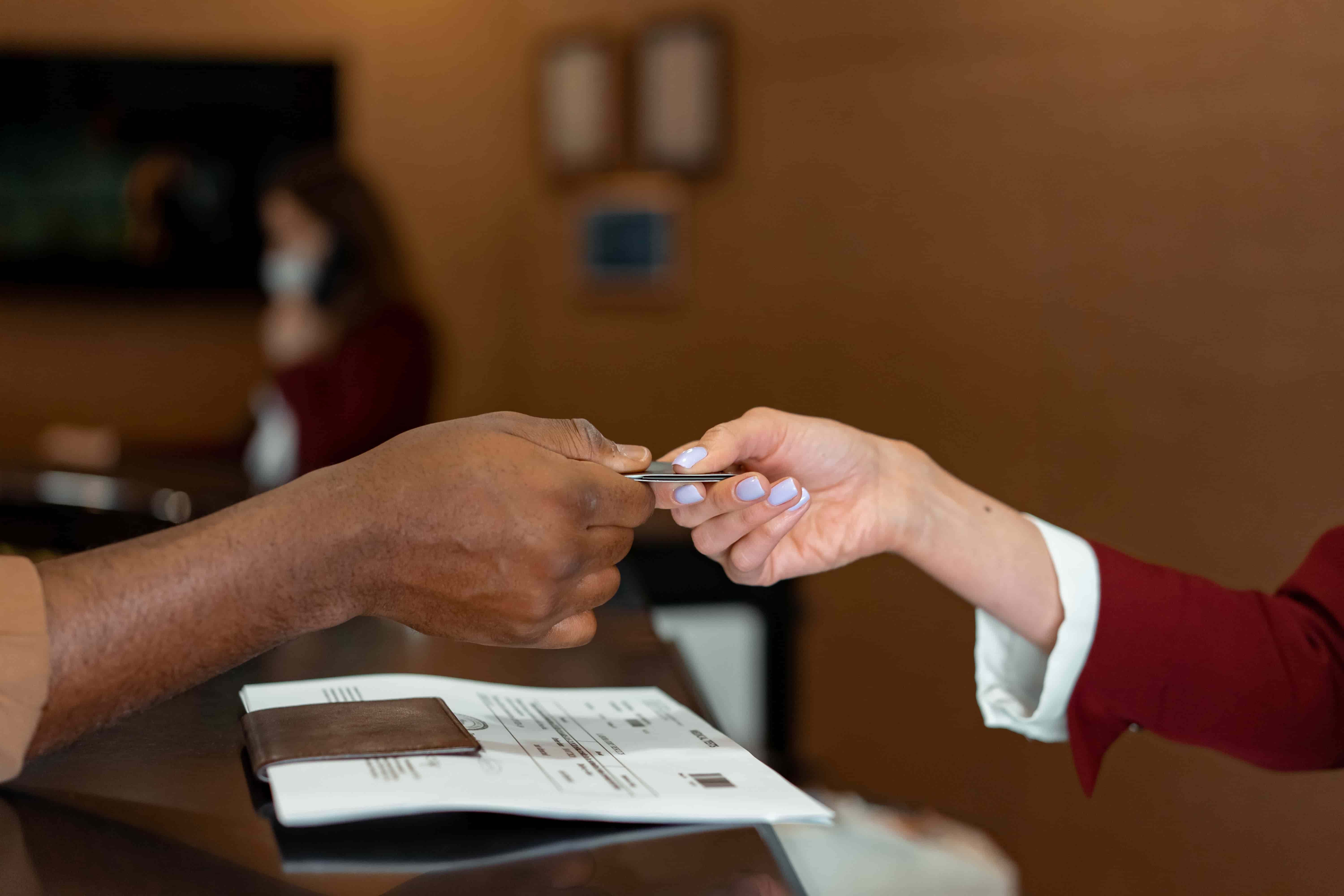
Cash rewards skip every step points and punch cards require. There's no catalog to browse, no points-to-dollars conversion to do in your head, no card to misplace, just money back. In a straight cash rewards vs points loyalty program comparison, the redemption step ends up mattering more than anything else: points and punch cards both ask a customer to reach a threshold before anything happens, and every threshold is a chance to give up first. A cashback loyalty program removes the threshold entirely. Even a small amount back reads as immediate, tangible value, which is a big part of why shoppers who already lean toward supporting local small businesses respond to cash specifically: it feels like something given back, not something they have to work toward.
Why Cash Beats Points for Local Businesses
Scale changes which format can work. Starbucks can run a points-and-tiers system because it has the marketing team and app infrastructure to make that complexity pay for itself across millions of daily transactions, and even then, the company was sitting on 1.85 billion dollars in stored, unspent Starbucks Card balances as of March 2025, money customers had already paid in and simply hadn't gotten around to using.

A single coffee shop or salon has none of that scale to absorb the same kind of abandonment. For most local businesses, the best loyalty program for local business use is whichever one asks the least of both the owner and the customer, and that's almost always cash. It also happens to promote your local business in a way points rarely do: people mention getting cash back far more than they mention accumulating points.
How Loca Uses Cash Rewards to Drive Foot Traffic
Loca is built around the same idea this article keeps coming back to: skip the points, skip the punch cards, pay people back in cash for showing up. As a local business rewards app, it takes over the hardest parts of running cash rewards, tracking who's earned what across every visit and paying it out automatically, so no one at the register has to do mental math. For business owners, that means running a program that used to require staff training and a spreadsheet in about the time it takes to set up a loyalty program for local businesses. For shoppers, it means a reason to walk into a shop they haven't tried yet and earn cash rewards at local businesses instead of hoping a punch card doesn't end up lost in a drawer.
How to Start a Loyalty Program for Your Small Business

A customer loyalty program for small business doesn't require picking a format on day one. Watch how customers already behave first. Someone buying the exact same drink every week is a good candidate for a punch card; the mechanic matches the behavior. Someone whose purchases vary in size and type is better served by cash back on every visit, since it doesn't require the business to define what counts as "the same thing" twice.
Set the first reward low enough that a new customer earns something within two or three visits, not twenty. Publicize it clearly. And resist adding tiers or complexity later just because a bigger competitor has them; a small business gets more out of staying simple than out of looking sophisticated. For everything else involved in getting the word out, small business marketing ideas cover the rest of the ground.
Closing
The honest answer to what is a loyalty program worth running comes down to whether customers actually finish what they start. Points and punch cards ask people to keep track of something. Cash just pays them back, on the spot, for choosing you again. It doesn't need to be more complicated than that.