Local Restaurant Marketing Plan: A Complete Guide to Growing Your Business
Learn how to create a local restaurant marketing plan that attracts more customers through SEO, social media, email marketing, reviews, paid ads, and community partnerships.

Julia
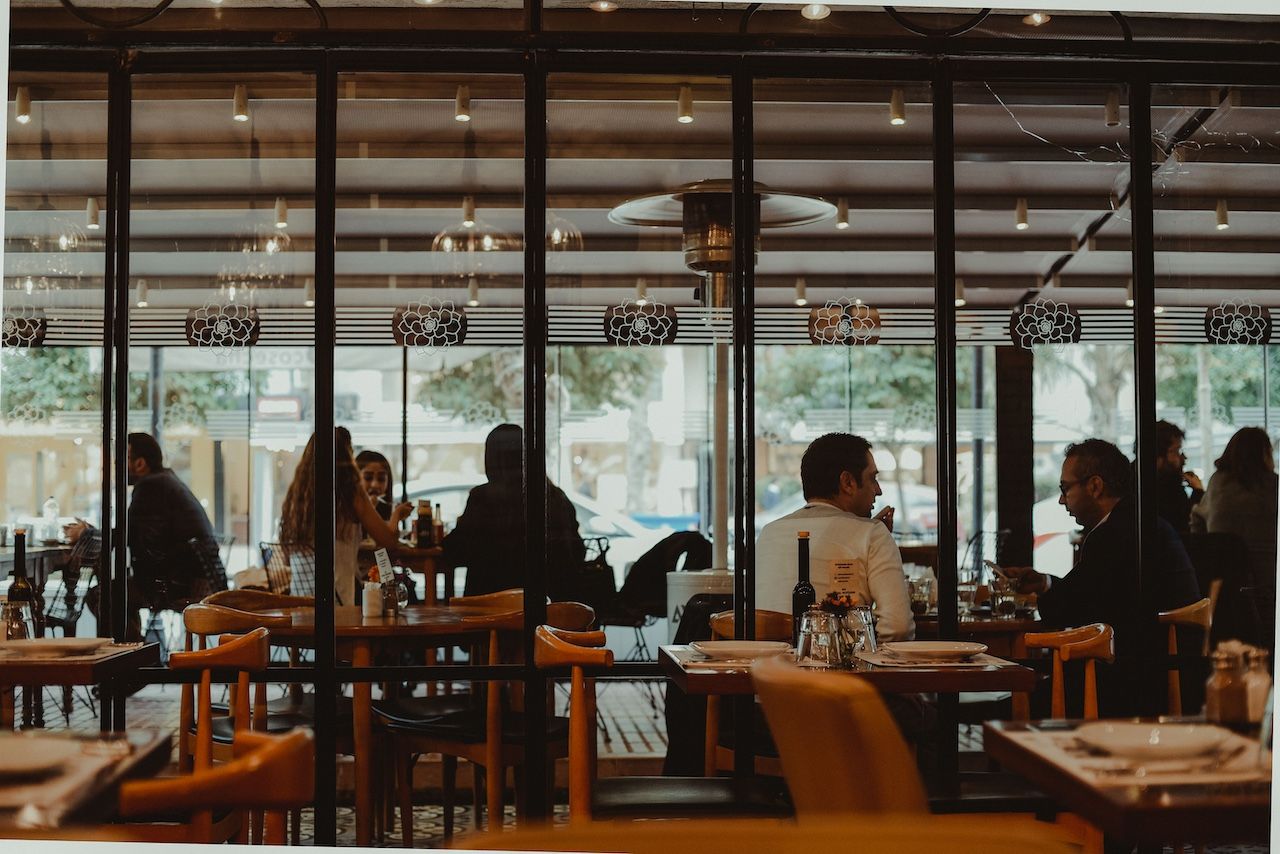
Walk past a half-empty restaurant on a Friday night and you'll notice one thing: the food is usually fine. Sometimes it's great. The problem is rarely what's coming out of the kitchen.
Most independent restaurants don't fail because the chef is bad. They fail because nobody outside a three-block radius knows the place exists — and by the time word of mouth would have done its job, the lease is already up. A local restaurant marketing plan doesn't fix the food. It fixes the part where people actually show up to eat it.
This isn't a theoretical framework. It's a working document — the kind you'd actually tape to the back of an office door and revisit every few months.
Website And SEO
Think about what happens before a first visit. Someone's on their phone, maybe in an Uber or killing time at work, and they type something like "Italian near downtown" into Google. What they see in the next four seconds determines whether you're in the running at all.
Roughly 90% of diners research a restaurant online before deciding to go. That stat gets repeated a lot, but the implication doesn't sink in enough: your website isn't a nice-to-have. It's your actual front door. A slow-loading page, a PDF menu that Google can't index, a reservation button that dumps people onto a third-party app taking 25% of every order — any one of these loses you customers who never even told you why they left.
Google Business Profile is where most of this battle is won or lost, and it's free. Fully filled out, with real photos (not stock images), updated hours, a link to your menu, and a short post once a week. That's it. Restaurants that post to their GBP every week get between three and seven times more direction requests than those that don't — which, in practice, means people actually navigating to your front door instead of someone else's.
Nobody actually ranks for "best restaurant." That's Yelp's keyword, not yours. Go narrow instead — "wood-fired pizza East Nashville", "late-night ramen near Capitol Hill", whatever phrase a real person types when they've already decided to go out and just need to pick somewhere.
Worth looking at as a local restaurant marketing example: how the best Italian restaurant in Austin talks about itself online versus the generic spots in the same area. The language is different. It's specific about what kind of person would enjoy eating there and what the experience actually feels like — not just "authentic Italian cuisine in Austin, TX" copy-pasted into every field.
One more thing while you're doing this audit: your name, address, and phone number need to be written exactly the same way everywhere. Google, Yelp, your own website, any aggregator that's ever scraped your info.
Social Media Marketing
- A slightly shaky phone video of your chef breaking down a dry-aged steak will outperform a $500 professional flat-lay photo of the same dish. That's just what's true right now. People have developed a pretty good radar for content that was produced to look good versus content that was made because someone actually wanted to share something. Posts with real people in them — staff, regulars, the owner nervously plating a new dish — do about 44% better than food-only shots.
Posting Stories daily moves the needle on engagement by around 27%. Replying to comments, not just hearts — another 23% on top of that. None of this requires a camera crew or a social media manager. It requires showing up consistently and not overthinking what you post.
- Customer photos are worth treating as a real asset. One viral post from a happy guest can bring in more new customers than a paid campaign running for a week.
Micro-influencers — by which I mean local creators with somewhere between ten and a hundred thousand followers, not the massive food accounts — tend to deliver better results for local restaurants than big names do. Their audience is in your city. They go out to eat.
Email Marketing
Email is, by a significant margin, the most underestimated channel in any local restaurant marketing strategy.
People dismiss it because it feels old. Meanwhile, it returns between $36 and $42 for every dollar spent — compared to around $8.40 for Instagram ads and $2.70 for ads on X. The gap isn't close. The reason email performs so well is that the people on your list chose to be there. They're not passive scrollers stumbling across a sponsored post. They signed up because they like your restaurant, and they're genuinely open to hearing from you.
Getting sign-ups is not complicated. A QR code at the table, an opt-in during the online reservation flow, a line on your website, a small incentive like a free appetizer or 10% off the next visit. The incentive matters less than making the sign-up easy and immediate. What you send matters too — weekly specials, new menu items, events, something exclusive that makes subscribers feel like they're getting something the walk-in crowd isn't.
Monday and Tuesday get the highest open rates. The 3-to-7 PM window — when people start making decisions about tonight or the weekend — converts best. Worth knowing before you schedule your next campaign.
Online Review Management
A four-star restaurant and a three-and-a-half-star restaurant serving identical food will have very different revenue. 68% of diners say they'd pay more at a place with higher ratings. Not just visit more — pay more per visit. Reviews are not a vanity metric. They're tied directly to how much money comes in.
The management side of this is genuinely not complicated, but it does require consistency. Respond to every review. For the good ones, make it specific — "Really glad the mushroom risotto landed well, our chef has been tweaking that recipe for two years" tells the person something real and signals to everyone reading that there are actual humans behind the restaurant. For negative reviews, the move is to keep it short and move it offline fast.
Asking for reviews is legitimate and necessary — people who have a good experience often just don't think to leave one unless prompted. A follow-up text, a card at the table, a casual mention from staff as guests leave. What you can't do is offer anything in exchange for a review; that's a violation of every major platform's policies and tends to produce a wave of obviously transactional five-star posts that sophisticated guests immediately distrust.
Track your average rating as a real number alongside your other business performance metrics. If it drops half a point over two months, that's a signal, not bad luck.
Paid Digital Advertising
Organic reach is slow. Paid advertising isn't a replacement for it — it's what you use when timing matters.
New location opening next month. A limited seasonal menu that's only on for six weeks. A traditionally slow January you want to actually fill. These are the moments when waiting for organic growth is the wrong call. Paid ads let you put your restaurant in front of specific people, in a specific area, during a specific window of time. That control is what you're paying for.
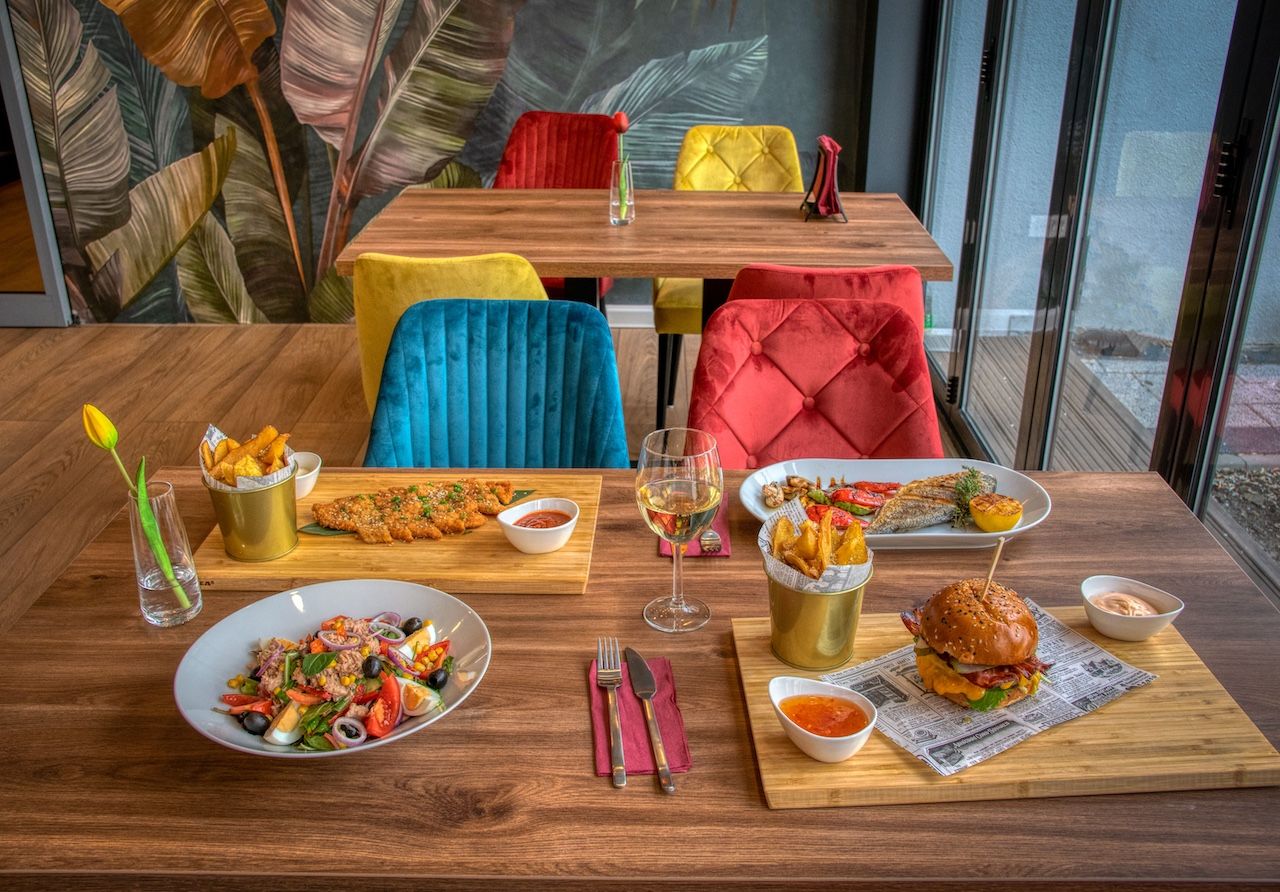
For most local restaurants, two channels do the real work. Google Local Search Ads place you at the top of results when someone searches "dinner near me" or a specific cuisine in your neighborhood — people with immediate intent, actively choosing where to eat. Conversion rates are high because you're not interrupting anyone; you're showing up exactly when they're looking.
Meta ads work the other way around. You find people before they're searching — targeting by location, age, household income, dining habits, and life events like upcoming anniversaries or birthdays. A ten-dollar-a-day campaign aimed at people within five miles of your restaurant can bring in genuine new customers at a cost that would surprise most owners who assume paid advertising is out of reach.
Retargeting is worth adding once you have some traffic. Someone looked at your menu, didn't book, and moved on. A retargeting ad follows them for a few days with a quiet reminder. Because they've already shown interest, conversion costs less than reaching a cold audience.
The rough benchmark for marketing spend is 5 to 10% of monthly revenue. Most restaurants intentionally put 60 to 80% of that budget into digital channels. If running campaigns feels like too much to manage alongside everything else, tools covered in this guide to AI for small business handle a lot of the setup and ongoing optimization automatically.
Partnerships and Collaborations
The most cost-effective local restaurant marketing ideas often have nothing to do with digital marketing at all.
Take hotels. Most restaurants within walking distance of a hotel never bother to walk in and introduce themselves — which means the ones that do immediately stand out. The pitch is simple: guests get a small discount when they show their room key; the hotel gets to recommend somewhere genuinely good instead of just pointing people toward whoever advertised in the lobby. Concierge staff are often quietly desperate for reliable recommendations they can stand behind. You become that recommendation, and warm out-of-town diners start appearing at your door without you spending a cent.
Nearby businesses are an underused version of the same idea. A theater two blocks away is already sending people out at 10 PM looking for somewhere to eat. A yoga studio down the street has regulars who want a good brunch option on Saturday morning. A bookshop with a loyal local following is looking for ways to give customers something extra. None of these partnerships require a contract or a budget — just a conversation and a little follow-through on both sides.
Events are where things get more interesting. A craft brewery collaboration, a guest chef night, a winemaker doing a pairing dinner in your space — these aren't just marketing stunts. They give people a date to put in their calendar weeks ahead, which means advance reservations, less food waste, and a room full of guests who came specifically for something they were genuinely excited about.
Longer-term, community involvement adds up in ways that are hard to attribute directly but easy to feel. Being at the farmers market. Sponsoring the local little league team. Showing up for Small Business Saturday in a way that's actually visible. These aren't immediate revenue drivers but they're what makes someone say your name first when a friend asks where to eat in the neighborhood. That kind of familiarity compounds quietly over months and years.
The relationship with whoever is next door to you matters more than most owners realize. Refer a customer to the wine bar across the street and there's a decent chance they send someone back your way next week. It's not a strategy you can track in a spreadsheet. It's just how neighborhoods work, and it's free. For more on building this kind of local presence, the guide on how to promote your business locally covers a lot of ground worth reading alongside this one.
Putting This Into Practice
A local restaurant marketing plan is a living document, not a one-time exercise.
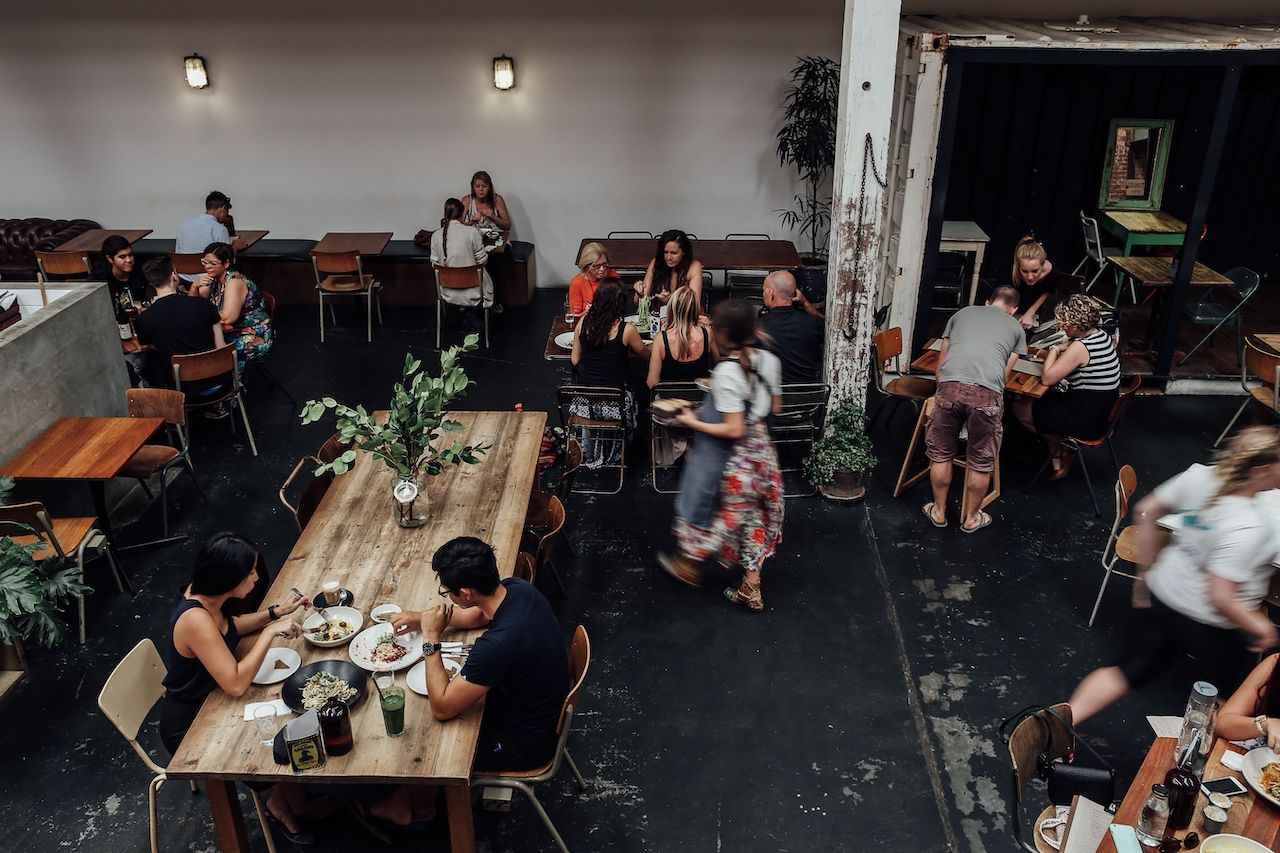
The channels above reinforce each other when they're working in sync. The photos from Saturday's brewery event become Monday's Instagram post and Tuesday's GBP update. The email you send about the new spring menu drives people back to a website you've already optimized. The review you respond to thoughtfully this week gets read by twenty potential customers next month. Done consistently, the whole system starts generating its own momentum.
If you're ready to run a real local restaurant marketing strategy without building a team around it, create a business account on Loca. It's built for exactly this kind of owner.