Small Business Bookkeeping: 2026 Guide
Small business bookkeeping forms the backbone of financial management for entrepreneurs. It ensures accurate tracking of transactions, aiding informed decisions and compliance. This 2026 guide covers fundamentals to empower owners.

Nancy J. Hassler
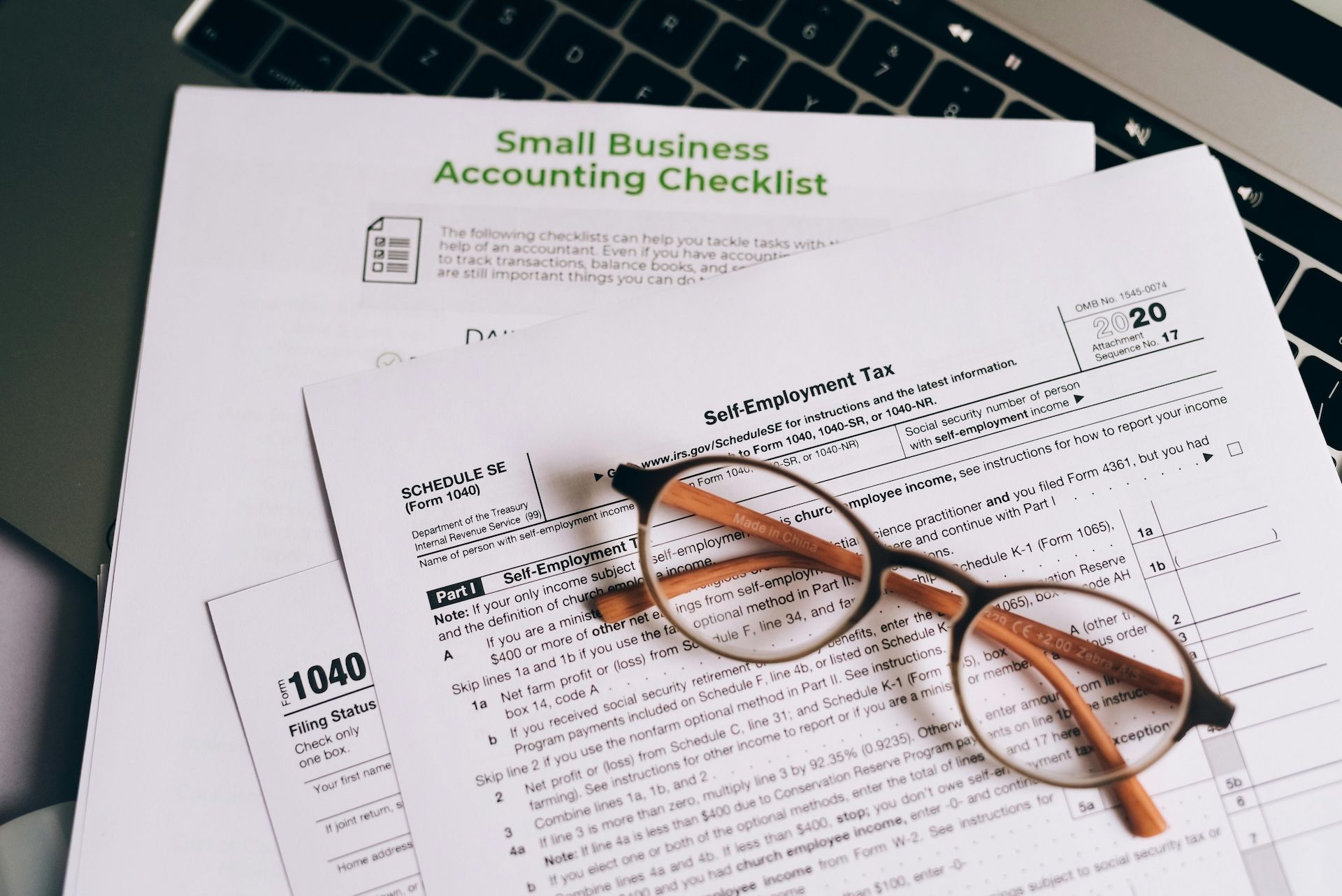
Small business bookkeeping forms the backbone of financial management for entrepreneurs. It ensures accurate tracking of transactions, aiding informed decisions and compliance. This 2026 guide covers fundamentals to empower owners.
What is Small Business Bookkeeping
Small business bookkeeping involves systematically recording all financial transactions, from sales to expenses. Owners categorize income, outflows, and assets to maintain clear records. This practice reveals profitability trends and prevents costly errors like overlooked deductions or duplicate payments.
Unlike broader accounting, which analyzes data for strategy, bookkeeping focuses on daily entries. Tools like bookkeeping software for small businesses automate entries, reducing manual work by up to 80% according to user reports. Many owners start solo but scale with online bookkeeping services for small business as volume grows, especially during peak seasons.
Effective small business bookkeeping separates personal and business finances via dedicated accounts. Regular updates foster cash flow visibility, crucial amid 2026 economic shifts such as inflation adjustments and supply chain fluctuations. Reddit discussions highlight owners succeeding independently with discipline, sharing tips on simple spreadsheets evolving into robust systems. Forward-thinking owners integrate business performance metrics early to benchmark progress against industry standards.
Small Business Bookkeeping Quick Start Checklist
Set up essential small business bookkeeping systems with these core steps for USA businesses:
Basic Infrastructure:
- Open separate business checking account (recommended: Chase Business Complete Banking)
- Obtain free EIN from IRS. gov (required for taxes, banking, payments)
- Choose bookkeeping software: QuickBooks Online, Xero, or FreshBooks (all offer 30-day free trials)
Data Organization:
- Import last 90 days of bank transactions (most software auto-syncs)
- Scan and categorize receipts: Sales/Revenue, Rent/Utilities, Payroll, Office Supplies, Marketing
- Separate business/personal expenses completely (critical for IRS audits)
Essential Reports Setup:
- Generate monthly Profit & Loss statement
- Create Balance Sheet (Assets = Liabilities + Equity)
- Set up quarterly estimated tax calendar: April 15, June 15, September 15, January 15
Automation Essentials:
- Enable bank account auto-sync
- Create rules for recurring expenses (rent → Rent, Office Depot → Supplies)
- Set up sales tax tracking if applicable to your state
Compliance Foundation:
- Choose accounting method: Cash vs. Accrual (Cash recommended for startups under $5M revenue)
- Save all receipts digitally (IRS requires 3-7 years retention)
- Track mileage for business vehicle use (standard mileage rate applies)
- Total setup time: 6-8 hours → Complete financial system ready for growth.
Accounting Method: Cash vs. Accrual
Small businesses choose between cash and accrual methods for small business bookkeeping. Cash basis records revenue when received and expenses when paid, suiting simple operations like freelance services. It offers straightforward cash flow views, making it ideal for budgeting daily operations.
Accrual method logs income upon earning and costs upon incurrence, regardless of payment timing. Preferred for growing firms with inventory or contracts, it matches revenues with related expenses accurately for truer profitability pictures. IRS rules often mandate accrual for businesses exceeding $30 million in revenue, with hybrid options available for mid-tier operations.
Switching methods requires IRS approval via Form 3115; cash suits solopreneurs, accrual aids forecasting amid 2026's uncertain tariffs. Integrating business performance metrics helps evaluate method impact on insights like gross margins. Test both via software trials, many offer free migrations — for optimal fit, ensuring alignment with long-term goals.

Profit & Loss Statement
The Profit & Loss (P&L) statement summarizes revenues, costs, and expenses over a period, revealing net profit. Essential in small business bookkeeping, it highlights operational efficiency and flags issues like rising supplier costs. Monthly P&Ls guide budgeting adjustments, such as trimming marketing spend during slow quarters.
Calculate by subtracting cost of goods sold (COGS) and operating expenses from total revenue: Net Profit = Revenue - COGS - Expenses. Positive net profit signals viability; losses prompt cost reviews, perhaps renegotiating vendor terms. Software generates these instantly from ledgers, with customizable templates for industry-specific line items.
In 2026, P&Ls integrate with AI for small business analytics, predicting trends via machine learning on historical data. Owners use them for loan applications, showcasing fiscal health to lenders. Track seasonal dips, like post-small business Saturday rushes, via detailed breakdowns — compare year-over-year to spot growth opportunities.
Balance Sheet
A balance sheet provides a snapshot of assets, liabilities, and equity at a specific date, following the fundamental equation Assets = Liabilities + Equity. Core to small business bookkeeping, it helps assess financial solvency and supports key decisions like equipment purchases or loan applications. Current assets such as cash and inventory are distinguished from long-term assets to evaluate liquidity.
Liabilities are categorized into short-term obligations due within a year and long-term debts like loans extending beyond that period. Equity represents the owner's investment minus accumulated losses plus retained earnings from profits. Regular balance sheets reveal whether assets sufficiently exceed liabilities, indicating overall financial health.
Owners use balance sheets to monitor debt levels and ensure stability amid economic changes. Reconcile these statements quarterly to identify discrepancies such as unrecorded depreciation or overlooked liabilities. Pairing balance sheets with other financial records provides comprehensive insights for informed business expansion.
Cash Flow Statement
Cash flow statements track actual cash inflows and outflows across operating, investing, and financing activities. Vital for small business bookkeeping, they predict liquidity shortfalls before crises hit. Operating cash from core activities must exceed outflows; aim for 10-20% free cash flow margin.
Positive operating cash fuels growth; negative signals issues like delayed receivables — chase invoices promptly. Investing covers equipment; financing includes loans or owner draws. Forecast monthly using rolling 12-month projections to avoid overdrafts during lean periods.
In 2026, volatile markets amplify cash flow's role amid potential recessions. Software dashboards visualize trends, linking to AI-driven forecasts for small business resilience. Scenario planning (best/worst case) prepares for disruptions like supply delays.
Tax Records
Tax records in small business bookkeeping compile deductible expenses, income proofs, and credits for seamless filings. Retain receipts, 1099s, W-2s, and mileage logs for 3-7 years per IRS guidelines. Quarterly estimates preventunder payment penalties up to 5% monthly.
Categorize via software for Schedule C (sole proprietors) or Form 1120S (S-corps), maximizing home office or Section 179 deductions saving thousands. Digital storage reduces audit stress. Organized records streamline filings, often yielding refunds through overlooked qualified business income deductions up to 20%.

Payroll Records
Payroll records form a critical component of small business bookkeeping, capturing employee wages, federal and state tax withholdings, and benefits provided. Accurate records ensure compliance with IRS Publication 15 requirements and Fair Labor Standards Act (FLSA) regulations.
Key Federal Payroll Taxes (2026):
- FICA - Social Security: 6.2% employer portion + 6.2% employee portion = 12.4% total on wages up to $168,600
- FICA - Medicare: 1.45% employer + 1.45% employee = 2.9% total (no wage cap)
- FUTA: 6.0% on first $7,000 per employee (effective rate typically 0.6% after 5.4% state unemployment credit)
Mandatory Quarterly Filings:
- Form 941 due April 30, July 31, October 31, January 31 for federal tax deposits
- State unemployment taxes (SUTA) vary by state and experience rating
Required Record Retention Periods:
- Payroll records and tax forms: 4 years from due date of return
- Form I-9 (employment eligibility): 3 years after hire or 1 year after termination
- Form W-4 (withholding certificates): Duration of employment plus 3 years
- Hours worked records (non-exempt employees): 2-3 years
Independent Contractor Compliance:
- Issue Form 1099-NEC to contractors paid $600+ annually
- File Copy A with IRS by January 31 (electronic filing mandatory for 10+ forms)
- Maintain 1099 records for 4 years
Modern payroll software handles automated calculations, direct deposit processing, and generates year-end Form W-2 (due January 31 to employees and SSA). Multi-state payroll requires nexus analysis to determine applicable state tax rates and filing requirements.
Compliance Benefits: Proper record-keeping avoids penalties starting at $310 per late W-2/1099 form, plus potential $50/day continuation penalties. Businesses with under 10 employees often find dedicated services like Gusto or ADP more cost-effective than in-house processing.
Bank Statements and Reconciliation Reports
Bank statements verify transactions; reconciliation matches them to ledgers monthly, a non-negotiable small business bookkeeping step. Detects fraud, errors, or bank fees early — differences under $5 often timing issues like uncleared checks.
Process: List outstanding checks/deposits; adjust balances using T-accounts. Software syncs automatically via APIs, flagging variances over 1%. Annual reviews ensure integrity, especially with multiple accounts.
2026 digital banking enhances this with real-time alerts; reconcile weekly for high-volume ops like e-commerce. Builds trust in numbers for strategic pivots.
Key Tools and Best Practices
Streamline small business bookkeeping with bookkeeping software for small business like QuickBooks or Xero, offering cloud access and mobile apps. These integrate invoicing, payments, and reporting, slashing errors. For hands-off management, online bookkeeping services for small businesses provide certified pros at a fraction of CPA costs.
Best practices: Daily receipts scanning, weekly categorization, monthly closes. Automate where possible — AI flags anomalies. Backup data offsite; train backups for continuity. Integrate with business performance metrics for deeper insights.
Conclusion: Elevate Your Business Today
Mastering small business bookkeeping transforms chaos into clarity, fueling sustainable growth in 2026's dynamic landscape. From P&L insights to reconciled banks, these tools empower data-driven decisions, tax savings, and investor appeal. Yet, true success blends finances with smart marketing.
Ready to amplify your efforts? Create a free business account on Loca today — the smart, affordable solution for business owners. Loca tracks business performance metrics, powers small business Saturday campaigns, and harnesses AI for small business to skyrocket visibility and sales. Sign up at Loca now and watch your venture thrive!